
How to tell denim from chambray?
Denim and chambray are both lightweight cotton fabrics with a similar look, but they have key differences in weave, texture, and appearance. Here’s how to tell them apart:
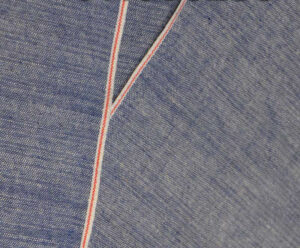
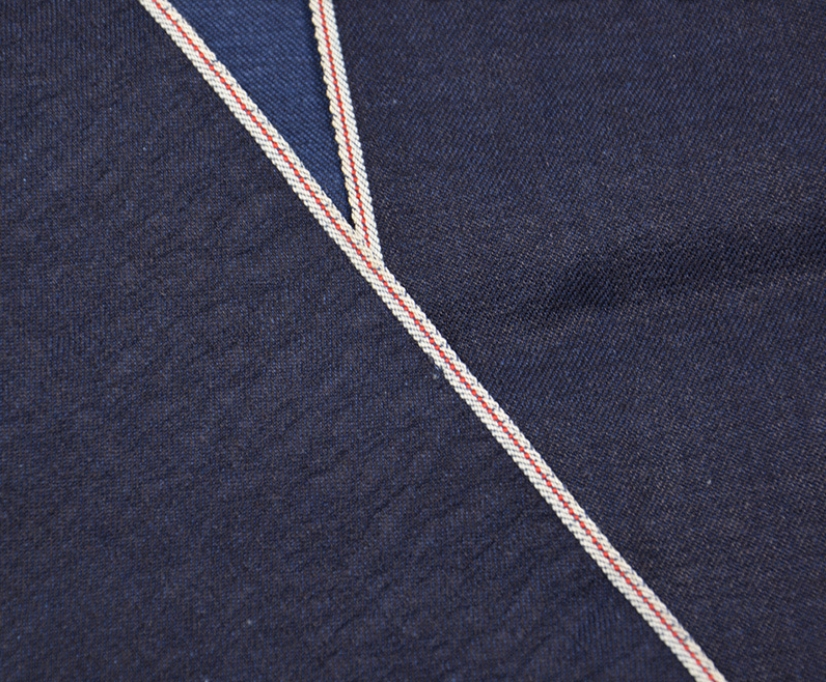
1. Weave Structure
- Denim: Made with a twill weave (diagonal rib pattern), where the weft (horizontal) thread passes under two or more warp (vertical) threads. This creates a sturdy, durable fabric with a distinctive diagonal texture.
- Chambray: Made with a plain weave (simple over-under pattern, like a checkerboard), where the warp and weft threads cross evenly. This gives it a smoother, lighter feel.
2. Color & Appearance
- Denim: Traditionally undyed warp threads (usually blue) and white weft threads, giving it a darker front and lighter back. Over time, denim fades distinctively.
- Chambray: Typically has colored warp threads (often light blue) and white weft threads, creating a more uniform, slightly mottled look (like a faint checkerboard effect).
3. Texture & Weight
- Denim: Heavier, thicker, and more rigid due to the twill weave. Often used for jeans and jackets.
- Chambray: Lighter, softer, and more breathable, making it ideal for shirts and summer clothing.
4. Fraying & Durability
- Denim: More resistant to fraying due to the tight twill weave.
- Chambray: Frays more easily because of the looser plain weave.
Quick Summary
| Feature | Denim | Chambray |
|---|---|---|
| Weave | Twill (diagonal ribs) | Plain (even crisscross) |
| Texture | Heavier, rougher | Lighter, smoother |
| Color | Darker front, white back | Even, slightly mottled |
| Common Use | Jeans, jackets | Shirts, dresses |
If you’re still unsure, check the inside of the fabric—denim usually has a white back, while chambray looks the same on both sides.